Search Engine Optimization (SEO) is the practice of improving a website so it appears higher in search results on platforms like Google. Businesses that rank higher gain more visibility, traffic, and credibility with potential customers.
Unlike paid ads, SEO focuses on building long-term visibility by making your site relevant, user-friendly, and trustworthy. Whether you’re running an online store or a professional services website, SEO helps connect you with the right audience at the right time.
Understanding SEO and Why It Matters
SEO works by aligning your website with how search engines evaluate quality. Google, for example, looks at factors such as page experience, content quality, and authority. If your site provides useful, accurate, and accessible information, you’re more likely to rank well.
The main types of SEO include:
-
On-page SEO: On page Includes Optimising titles, meta descriptions, and website content.
-
Off-page SEO: Building trust with quality backlinks and mentions.
-
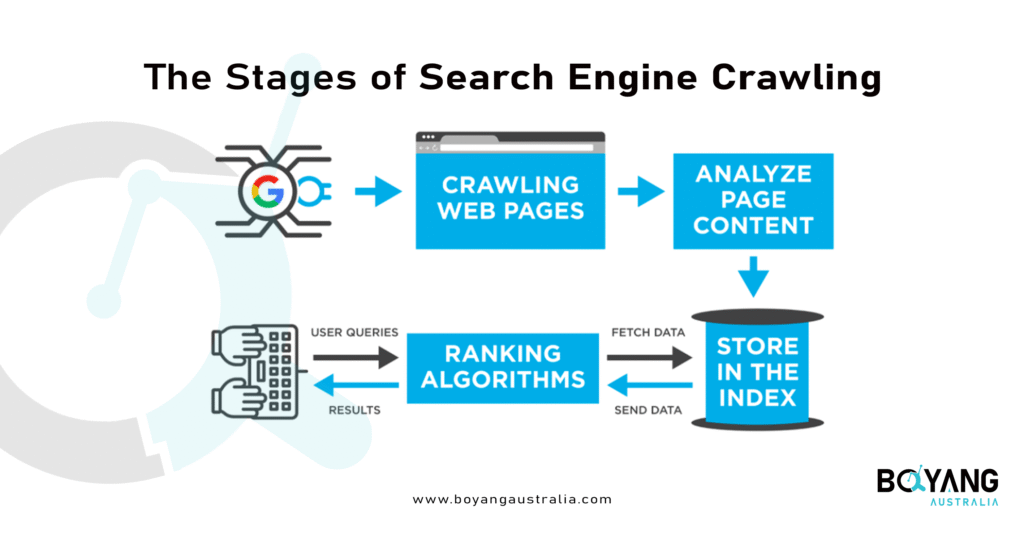
Technical SEO: Ensuring search engines can crawl and index your site.
-
Local and National SEO: Expanding visibility either in your city or across the country, depending on your target market.
Easy Ways to Optimise Your Website
Here are practical steps you can apply right away:
1. Use Clear Page Titles
Each page should have a unique, keyword-relevant title around 50–60 characters. Start with your main keyword if possible, but keep it natural and readable.
2. Write Helpful Meta Descriptions
Meta descriptions summarise what your page is about. Keep them under 160 characters, include a target keyword, and make them appealing so users want to click.
3. Build a Sitemap
Create both XML and HTML sitemaps. These help search engines discover and index your pages faster. You can also submit an XML sitemap directly in Google Search Console.
4. Improve Website Speed
A slow site can hurt rankings and drive visitors away. Use tools like Google PageSpeed Insights to identify issues and aim for load times under two seconds.
5. Make Your Site Mobile-Friendly
Most users browse on mobile. Responsive design ensures your site adapts to all screen sizes. Since 2015, Google has prioritised mobile-friendly websites in its rankings.
6. Optimise Images with Alt Text
Search engines can’t interpret images directly, so add descriptive alt text to every image. This improves accessibility while signalling context to Google.
7. Create SEO-Friendly URLs
URLs should be short, descriptive, and include relevant keywords. For example, /seo-services-auckland works better than /page123.
8. Configure Robots.txt
This file tells search engines which pages to crawl or ignore. A well-set robots.txt prevents duplicate content issues and keeps crawlers focused on your most important pages.
The Value of Long-Term SEO
SEO isn’t about overnight results. It builds over time, delivering consistent traffic and credibility. Unlike paid ads, which stop driving visitors the moment you pause campaigns, SEO continues to benefit your business for years.
For companies targeting a wider audience, strategies like National SEO are an excellent way to scale visibility beyond your local area and reach customers across an entire country.
Final Thoughts
SEO might sound technical, but many improvements are simple. Clear titles, faster load times, mobile responsiveness, and quality content all contribute to stronger rankings.
By focusing on your users’ needs first and applying these easy optimisation techniques, your website will not only perform better on Google but also provide a more enjoyable experience for every visitor. Contact Boyang Australia, for free SEO audit report to see where your site is overlacking in search engine rankings and to get free SEO consultation.